Real Estate Agents
Stop Chasing Business. Build a Real Estate Business That Brings You Business
The complete operating system behind a real estate business that's helped over 400 families buy and sell homes, generated more than $225 million in sales, and continues to grow today. Learn the exact systems, AI tools, marketing strategies, and listing playbooks I use every week as an active managing broker.
Build a Predictable Real Estate Business Without Working Around the Clock
Elite Agent Accelerator is a real estate agent coaching and training program designed to help agents generate consistent leads, win more listings, close more deals, and build systems that support long-term growth.
Become a Founding Member and lock in your price for LIFE!
Lifetime Access • $999
⭐⭐⭐⭐⭐ Trusted By Agents Across The Country
You're Not Losing Because You Aren't Working Hard.
You're Losing Because You Don't Have a System.
Most agents wake up every morning asking...
"What should I do today?"
One day they're cold calling.
The next they're making videos.
Then buying leads.
Then trying another CRM.
They're constantly busy but rarely building momentum.
The agents winning today aren't working harder.
They're following proven systems that create predictable results.
That's exactly what you'll build inside Elite Agent Accelerator.
NO SYSTEM
Random marketing
Inconsistent closings
Always starting over
Constant stress
SYSTEMIZED AGENT
Daily plan
Predictable appointments
Repeatable closings
Freedom
BUILT BY AN ACTIVE AGENT, NOT A CAREER COACH
I Built the System I Wish I Had When I Started.
When I entered real estate, I believed hard work would be enough.
So I worked harder.
I chased leads, tried new marketing ideas, watched training videos, and stayed constantly busy.
But being busy is not the same as building a business.
The shift happened when I stopped treating real estate like a collection of transactions and started building repeatable systems for lead generation, listings, follow-up, marketing, referrals, client communication, and growth.
Those systems helped me close more than 400 transactions, generate over $225 million in sales, build a team, and become a Managing Broker.
But I am not teaching from the sidelines.
I still take listings, negotiate contracts, create marketing, test AI tools, lead agents, and adapt to the market in real time.
Everything inside Elite Agent Accelerator comes directly from the business I am actively operating today.
Not theory. Not recycled motivation. Real systems being used in the field.
This Isn't Another Coaching Program.
It's The Complete Operating System Behind My Business.
The Six Pillars of the Elite Agent Operating System
MarketingGenerate Opportunities
Lead generation, local authority, referrals, video, reviewsWin More Business
Listings, buyers, consultations, scripts, negotiation
Follow Up Consistently
CRM, database, nurture, client communicationMarket With Authority
Content, branding, social media, community visibility
Work Faster With AI
Prompts, workflows, writing, automation, planningBuild a Scalable Business
Systems, hiring, recruiting, leadership, leverageSystems

You'll Become the Agent.....
Who knows exactly what to do every morning.
Who consistently wins listings.
Who creates content without staring at a blank screen.
Who has AI helping them work faster.
Who follows up automatically.
Who builds referrals on purpose.
Who finally stops guessing.
Imagine Where You'll Be One Year From Today...
Imagine...
Walking into every listing appointment confident.
Knowing your marketing is running while you're sleeping.
Having AI write your content.
Getting referrals every month.
Closing more transactions with less stress.
Finally having a business that serves your life instead of controlling it.
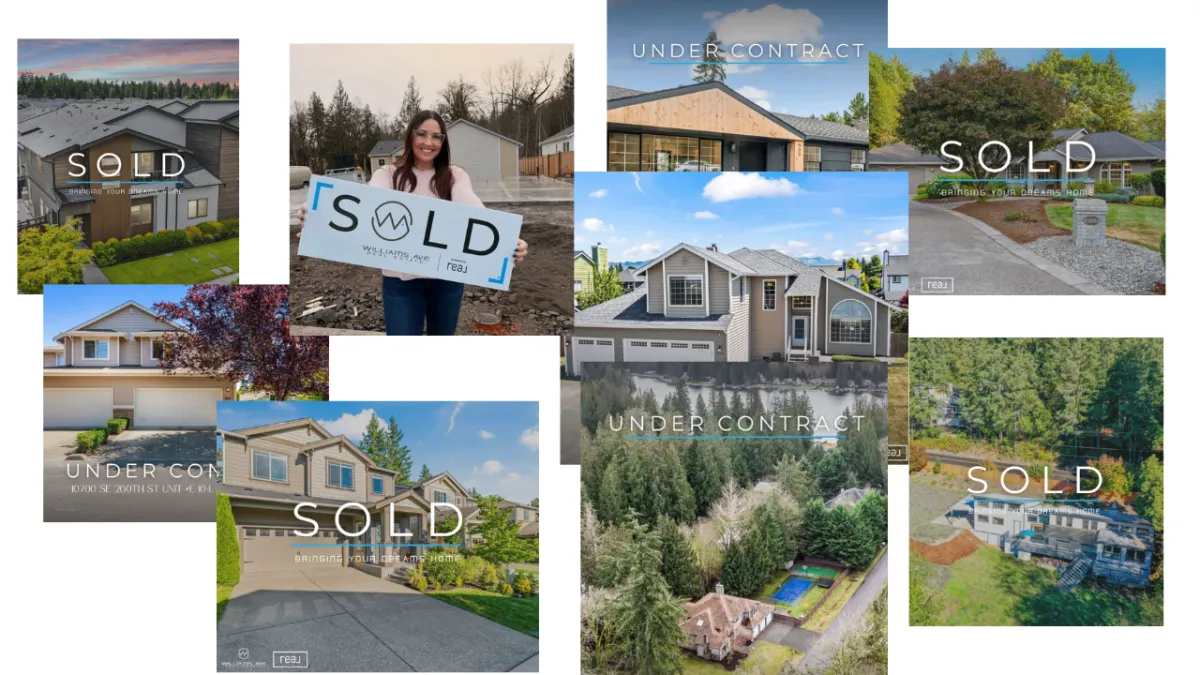
I’ve closed 400+ transactions
Surpassed $500,000 GCI in a single year.
Built a team of 13 agents.
Became recognized as a top agent in my local cities in Washington.
Helped agents grow faster than they ever did on their own.
These Systems Were Built in a Real Business
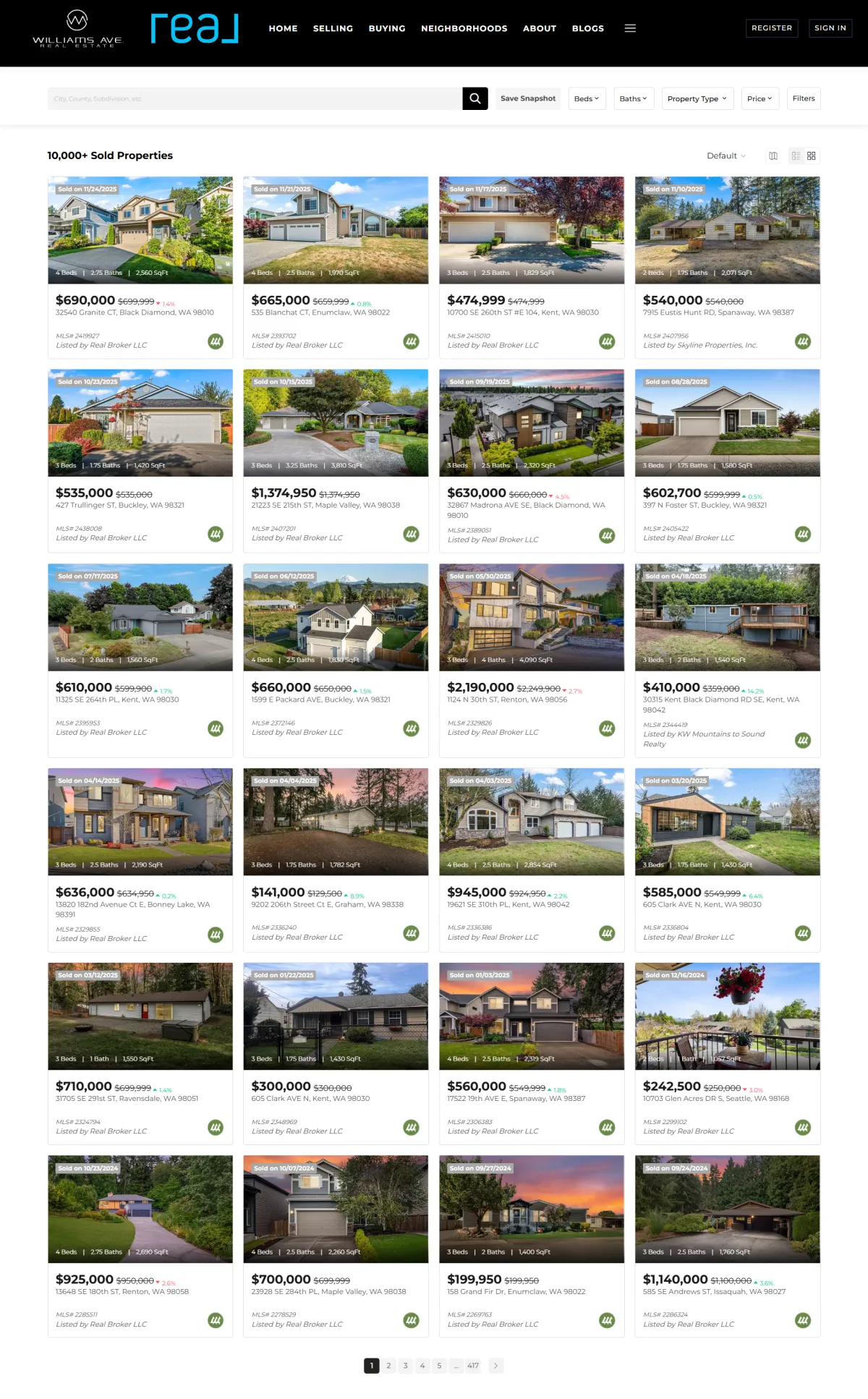
300+ 5 Star Reviews
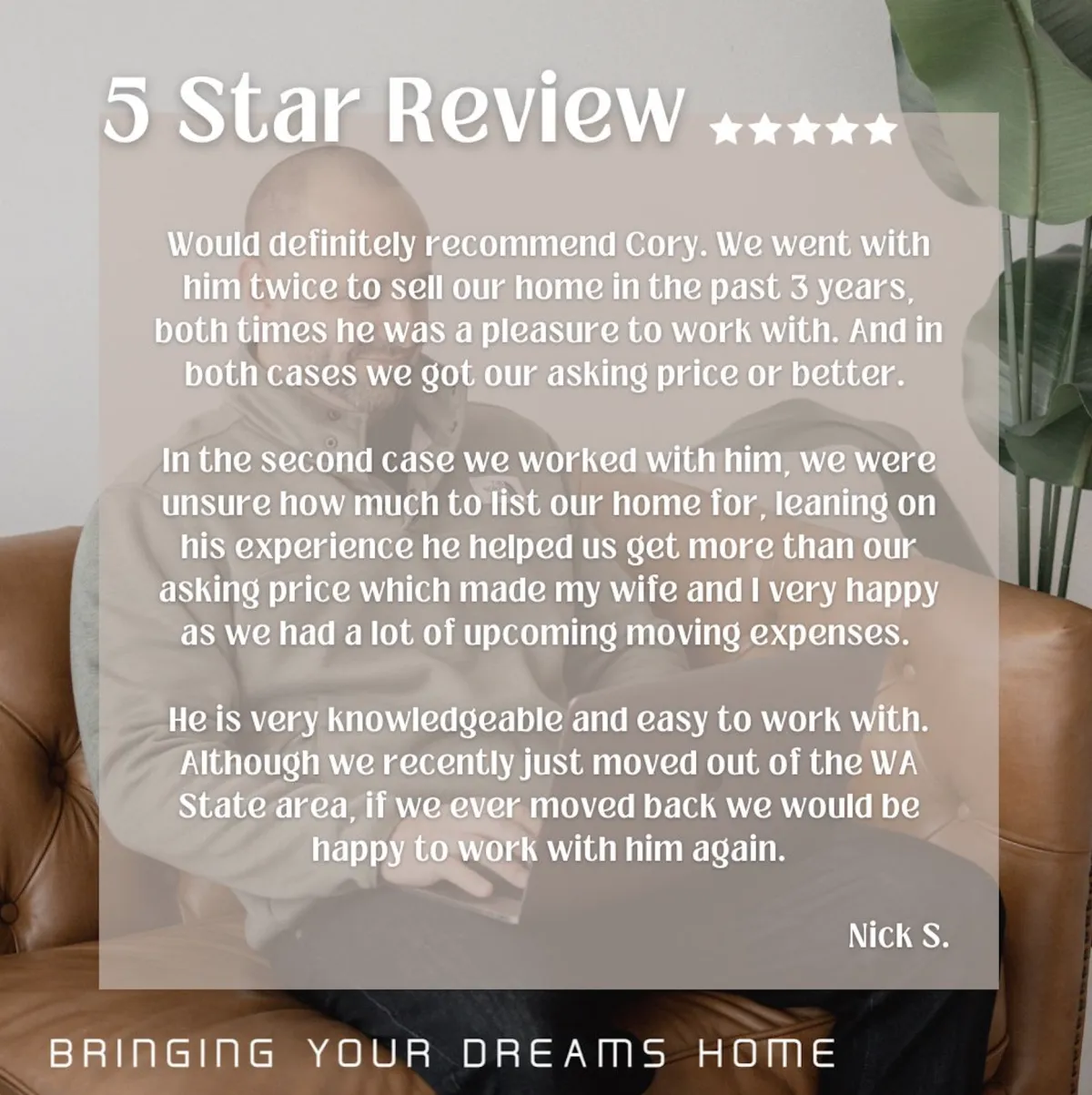
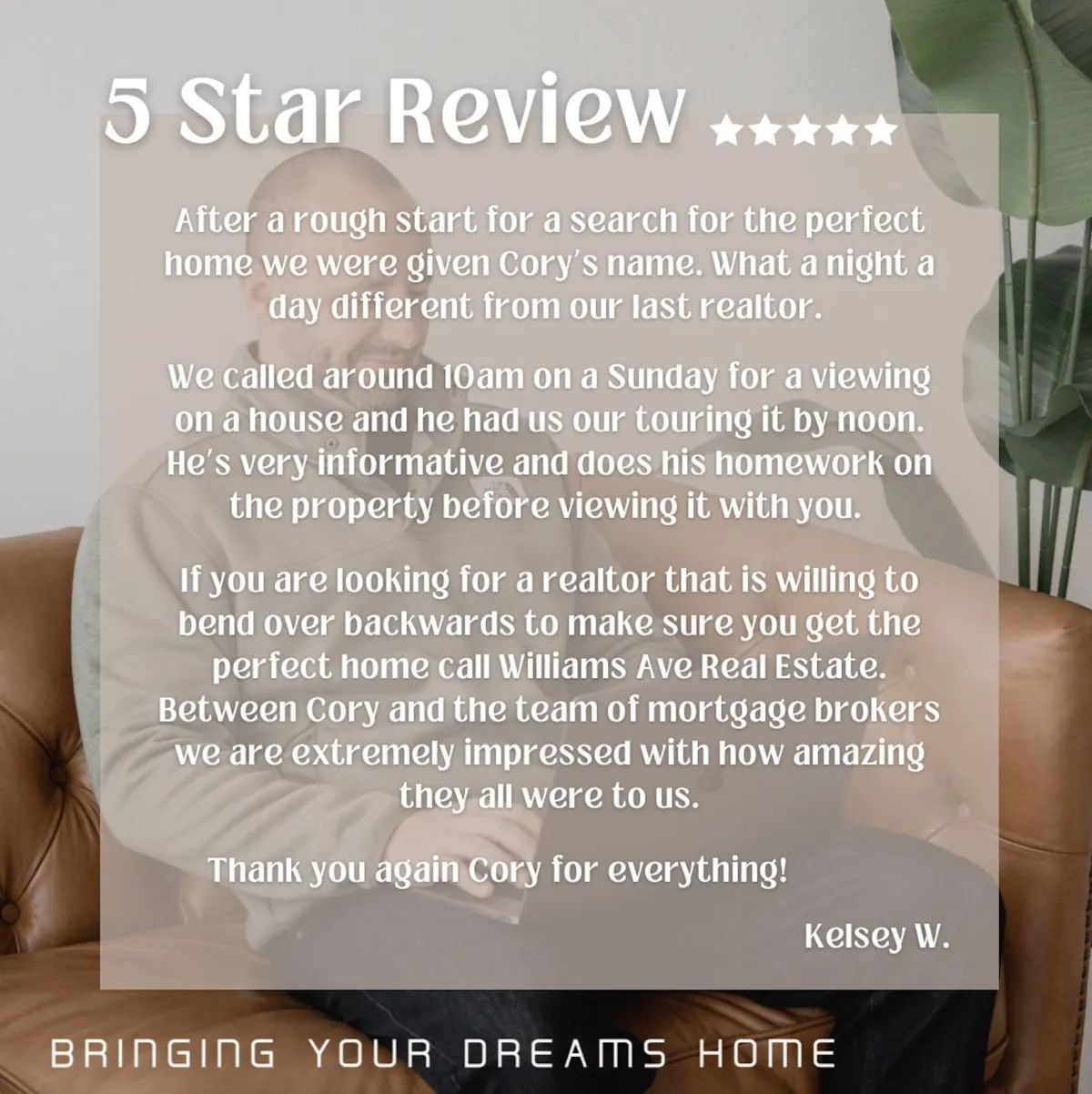
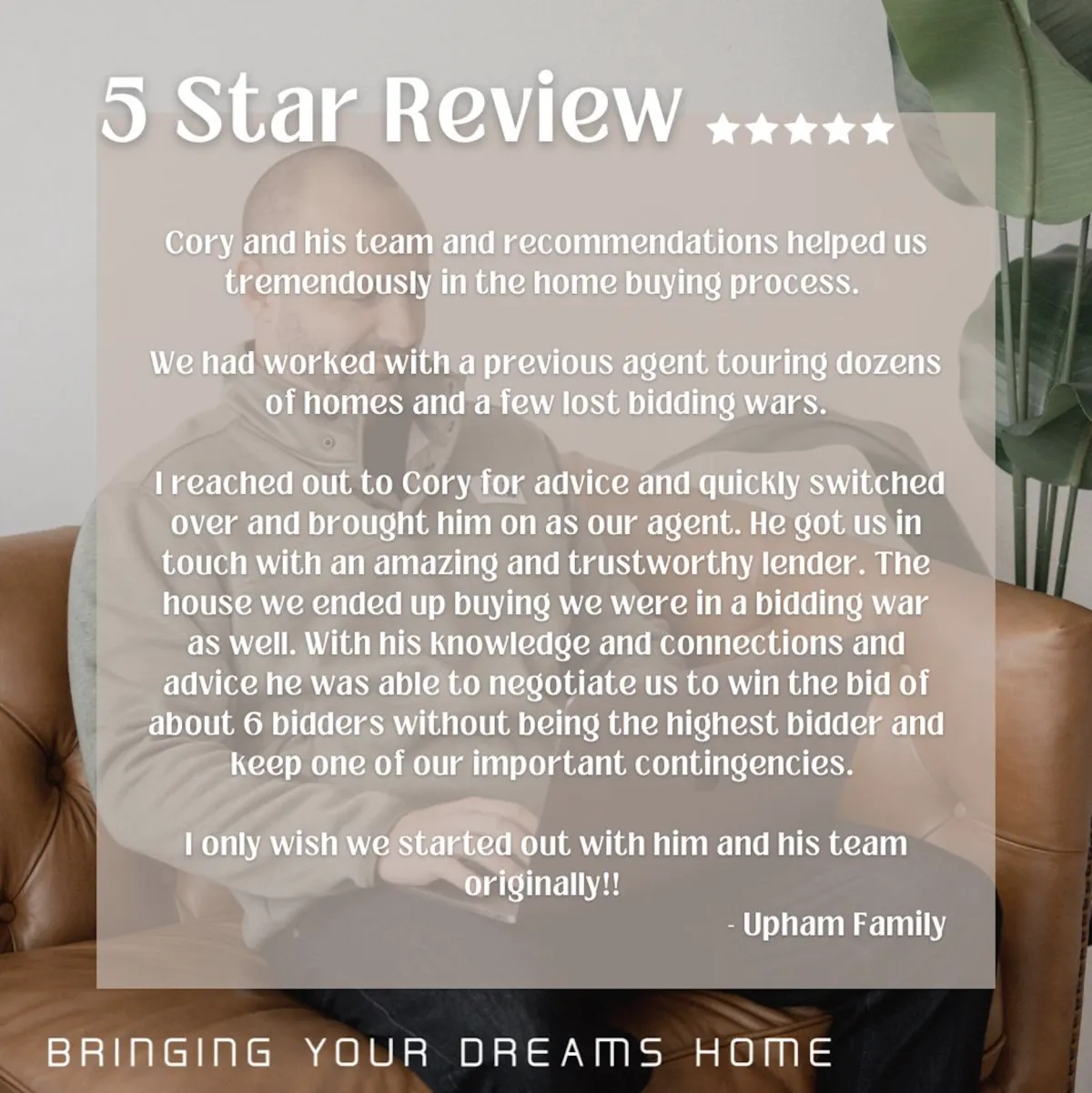
Agents Who Have Joined.
"I met Cory during a real estate broker mentorship program in my early career. His system completely changed my path. He truly understands this business. I wouldn’t be where I am today without his mentorship. I’m incredibly grateful for him. 🙏"
Pramod P.
"I want to share how much Cory’s Agent Skool has helped me, especially as a newer agent. The program has given me everything I need to actually grow my business. As a solo agent, having access to someone like Cory makes the process feel far easier. Cory, thank you for the time and effort you’re putting into helping agents."
Alan S.
Other Coaching
Generic advice
Theory
Motivation
Expensive monthly payment
Random templates
Old tactics
Elite Agent Accelerator
Complete business operating system
Real-world systems from an active broker
Daily implementation
One-time lifetime investment
Everything in one place
AI + modern marketing
The Elite Agent Operating System™

d
Founding Member Lifetime Access
Everything.
Forever.
Future Updates.
New Courses
Group Coaching
Community
For Life
Value
The Elite Agent Operating System
$2,500 value
Bi-Weekly Group Coaching for One Year
$2,400 value
AI Prompt and Workflow Library
$1,000 value
Templates, Scripts and Checklists
$1,000 value
Private Community and Future Updates
$1,000+ value
Combined Value:
$7,900+
Founding Member Price
$999 Once
Founding member pricing is limited to the first 100 members.
Once those memberships are filled, lifetime access at this price will no longer be available.
One year from now you'll wish you started today.
The only question is...
Will you still be trying random strategies...
Or will you finally have the systems to build the business you've always wanted?
Is this for new agents?
Elite Agent Accelerator is best for licensed agents who are ready to implement. Newer agents receive a clear foundation, while experienced agents can use the systems, AI tools, marketing strategies, and operating frameworks to improve consistency and scale.
Will this work in my market?
The specific tactics may vary by market, but the core principles of positioning, prospecting, follow-up, client experience, referrals, content, and systems apply broadly. You will be encouraged to adapt the playbooks to your local market and business model.
Is this only about getting listings?
No. Listings are a major focus, but the program also covers buyers, referrals, content, local authority, follow-up, AI, client experience, operations, recruiting, and scale.
How much time should I commit?
Most members can make meaningful progress with three to five focused hours per week. Consistent implementation matters more than completing the training quickly.
What does lifetime access include?
Founding members receive ongoing access to the course library, templates, community, tools, and future program updates included under the founding membership terms.
Are coaching calls included?
Yes. Founding members receive access to the regularly scheduled group coaching calls currently included with the program.
What results should I expect?
Results vary based on experience, market conditions, effort, skill, and consistency. The program provides the systems, tools, coaching, and support to help you improve your execution, but transactions and income are not guaranteed.
Join the No.1 skool community for real estate agents
When founding memberships close...
They close forever.
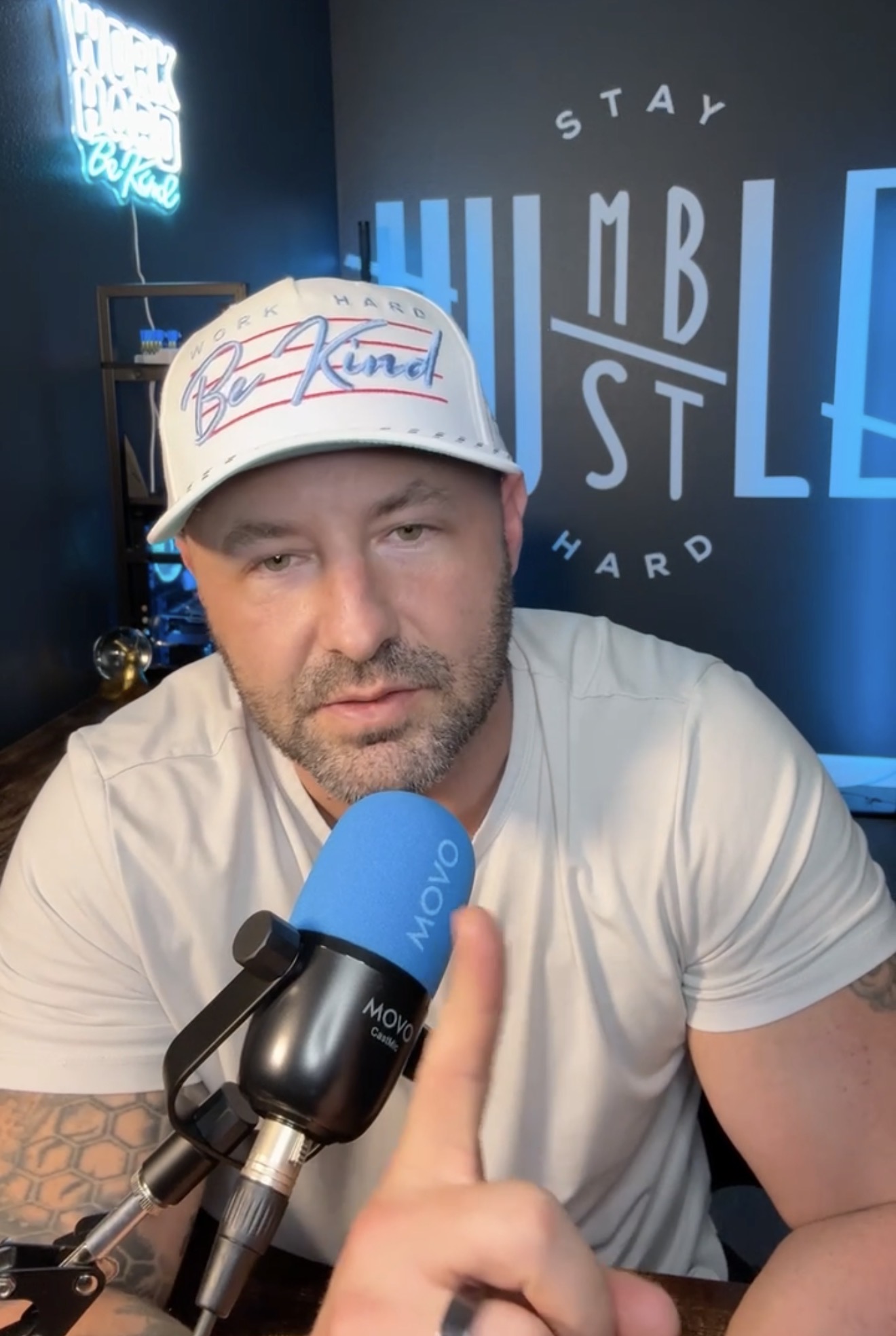
How to Succeed as a New Real Estate Agent | Cory Williams
How to Succeed as a New Real Estate Agent: A Practical First-Year Plan
Getting your real estate license is an accomplishment, but it does not automatically prepare you to build a successful real estate business.
Most licensing courses teach contracts, regulations, and the legal responsibilities of an agent. Those things are essential, but they do not teach you how to generate leads, find clients, win appointments, market yourself, or create consistent income.
That is why so many new agents feel overwhelmed after receiving their license.
They enter the industry excited about the opportunity but quickly realize there is no guaranteed salary, no automatic pipeline, and no one telling them exactly what to do each day.
If you want to know how to succeed as a new real estate agent, start by understanding this:
Your first year is not about appearing successful. It is about building the habits, relationships, skills, and systems that eventually produce success.
I’m Cory Williams, managing real estate broker, team leader, and founder ofElite Agent Accelerator. After closing more than 400 homes and over $150 million in real estate sales, I have seen what separates agents who build lasting businesses from those who leave the industry.
Successful agents create a plan, start conversations, develop their skills, follow up consistently, and keep working when immediate results are not visible.
Here is how to begin.
1. Treat Real Estate Like a Business
One of the first mistakes new agents make is approaching real estate like a flexible side job instead of a business.
Flexibility is one of the benefits of the industry, but it can also become a major disadvantage.
Without structure, it is easy to spend your day:
Designing social media graphics
Watching training videos
Organizing your CRM
Looking at new listings
Attending office meetings
Comparing brokerages
Researching marketing ideas
These activities can feel productive, but they may not create clients.
A real business needs:
An income goal
A written plan
A budget
Defined lead sources
A daily schedule
Weekly performance tracking
Follow-up systems
Clear priorities
Your calendar should reflect the activities most likely to create business.
If lead generation is something you do only after everything else is finished, your pipeline will always be inconsistent.
2. Build a Simple New-Agent Business Plan
You do not need a 40-page business plan.
You need a clear answer to five questions:
How many transactions do I want to close?
What is my average expected commission?
How many clients will I need?
Where will those clients come from?
What activities will I complete every week?
For example, imagine your goal is to close 12 transactions during your first full year.
Instead of focusing only on 12 closings, break that goal into the activities that lead to a closing:
Conversations
Follow-up attempts
Consultations
Appointments
Signed clients
Pending transactions
Closed transactions
This gives you something you can control.
You cannot force someone to buy or sell a home today. You can control how many conversations you start, how quickly you follow up, how much value you provide, and how consistently you work your plan.
3. Start With the People You Already Know
Your personal network is one of the most valuable assets you have as a new real estate agent.
This includes:
Family
Friends
Former coworkers
Neighbors
Church connections
Parents from school or sports
Local business owners
Social media contacts
Community relationships
Professional connections
Do not immediately treat everyone you know like a sales prospect.
Your first goal is to make sure they know:
You are now working in real estate
The areas you serve
The types of clients you help
How to contact you
That you would appreciate introductions
A simple message could be:
I wanted to let you know that I’m building my real estate business and helping people with buying, selling, and understanding the local market. If you ever have a real estate question or know someone who needs help, I would be grateful for the opportunity to be a resource.
This is direct without being aggressive.
Continue building these relationships by checking in, sharing useful information, celebrating important moments, and helping people even when there is no immediate transaction available.
4. Choose Two Primary Lead Sources
New agents often try too many lead-generation strategies at the same time.
They attempt cold calling, social media, paid leads, open houses, door knocking, geographic farming, YouTube, networking, and email marketing.
Because their attention is divided, none of those strategies receives enough consistent effort to work.
Choose two primary lead sources for your first 90 days.
A practical combination could be:
Personal database and referrals
Open houses
Other combinations might include:
Geographic farming and local content
Expired listings and database follow-up
Community involvement and social media
Online leads and strong follow-up
Video marketing and neighborhood prospecting
Your lead sources should fit your personality, budget, market, and available time.
Do not choose a strategy simply because another agent claims it is the best. Choose strategies you are willing to execute consistently.
5. Have Real Estate Conversations Every Day
New agents do not usually have a branding problem. They have a conversation problem.
A logo, website, business card, and social media profile can support your business, but none of them replaces direct communication.
Real estate conversations can include:
Calling someone in your database
Following up with an open-house visitor
Checking in with a potential buyer
Speaking with a homeowner
Meeting a local business owner
Responding to a social media message
Contacting an older lead
Inviting someone to a buyer consultation
Asking a past connection for an introduction
Set a daily conversation goal and track it.
The exact number matters less than your consistency. Five meaningful conversations every working day are more valuable than 50 calls made once every three weeks.
6. Learn How to Conduct a Buyer Consultation
Many new agents immediately begin showing properties without first meeting with the buyer to discuss their goals.
This creates confusion, wasted time, and weak client relationships.
A buyer consultation allows you to discuss:
The buyer’s motivation
Preferred location
Budget and financing
Property requirements
Timing
Market conditions
The home-search process
Writing and negotiating offers
Inspections and contingencies
Agent representation
Communication expectations
The next steps
A strong buyer consultation helps you establish your value before you begin showing homes.
It also gives the buyer an opportunity to determine whether you are the right agent for them.
You do not need decades of experience to lead a useful consultation. You need preparation, a clear process, and the willingness to get answers when you do not know something.
7. Begin Learning the Listing Side Early
New agents sometimes avoid listings because they believe they need more experience.
You should absolutely seek guidance from your managing broker, mentor, or experienced listing agent. However, waiting years to learn the listing process can limit your growth.
Begin learning:
How to prepare a comparative market analysis
How to evaluate competing listings
How to explain market conditions
How to discuss pricing
How to prepare a home for sale
How to build a marketing plan
How to conduct a listing consultation
How to handle seller objections
How to communicate after the property is listed
How to navigate price adjustments
Listings can create additional buyers, local visibility, open-house opportunities, content, and future seller conversations.
Even if your first transaction is with a buyer, start developing the skills required to become a confident listing agent.
8. Use Open Houses as a Business-Building Tool
Open houses are one of the best opportunities for a new real estate agent to meet active buyers, potential sellers, and nearby homeowners.
However, simply sitting inside a property for three hours is not a lead-generation strategy.
Before the open house:
Promote it on social media
Invite people in your database
Contact nearby homeowners
Learn the property and neighborhood
Prepare relevant market information
Create a clear registration process
Plan your follow-up
During the open house:
Welcome every visitor
Ask thoughtful questions
Avoid following people through every room
Learn what brought them in
Determine whether they have an agent
Offer a useful next step
After the open house:
Follow up within 24 hours
Provide relevant property information
Ask for feedback
Offer similar listings
Invite qualified buyers to a consultation
Add long-term prospects to your CRM
The goal is not only to sell the open house. The goal is to create relationships and future opportunities.
9. Build a Follow-Up System Immediately
A large percentage of your first-year opportunities will not be ready to transact when you initially meet them.
If you do not follow up, another agent eventually will.
Every lead should have:
Complete contact information
A source
Notes
A timeframe
A status
A next step
A follow-up date
Your follow-up should include a combination of:
Phone calls
Text messages
Emails
Market information
Property updates
Personal check-ins
Invitations
Educational content
Do not rely on your memory.
Your CRM should tell you who needs attention and what needs to happen next.
10. Create Content That Answers Client Questions
You do not need to become an influencer to generate business through social media.
You need to become useful.
Create content answering the questions buyers and sellers are already asking:
How much money do I need to buy a home?
What credit score do I need?
Should I buy before selling?
What happens during an inspection?
How do agents determine a home’s value?
What should I repair before selling?
How long does closing take?
What are the biggest mistakes buyers make?
What is happening in the local market?
Is now a good time to buy or sell?
Use your local market whenever possible.
A video about what is happening in a specific city, neighborhood, or school district will often create more relevant opportunities than a generic national real estate post.
You do not need to pretend you know everything. Research the question, confirm the information, and explain it clearly.
11. Become Known in Your Community
Real estate is a relationship and reputation business.
You can build visibility by:
Supporting local businesses
Attending community events
Volunteering
Joining professional groups
Participating in local organizations
Highlighting neighborhoods
Creating community guides
Sponsoring events
Sharing local news
Connecting people with resources
Community involvement should be genuine.
People can tell when an agent shows up only to hand out business cards. Focus on becoming a recognizable, helpful member of the community.
Over time, those relationships can produce referrals, introductions, and clients.
12. Practice Before the Appointment
Confidence does not come from reading a script once.
It comes from repetition.
Practice:
Introducing yourself
Explaining the buying process
Explaining the listing process
Asking discovery questions
Presenting a market analysis
Discussing compensation
Handling common objections
Asking for an appointment
Asking for the business
Role-play with another agent, mentor, team leader, or coach.
The goal is not to memorize every word. It is to become comfortable enough that you can listen and respond naturally during a real conversation.
13. Find the Right Mentorship and Coaching
Your first year will include situations you have never encountered.
You need access to people who can help you with contracts, negotiations, inspections, client communication, and business development.
Look for support that includes:
Transaction guidance
Lead-generation training
Scripts and role-play
Business planning
Accountability
Marketing guidance
Listing training
Buyer consultation training
Systems and templates
A community of productive agents
The right environment can shorten your learning curve and help you avoid expensive mistakes.
Coaching will not do the work for you, but it can help you focus on the right work.
14. Track Leading Indicators
New agents frequently become discouraged because they measure only closings and commission income.
Those are lagging indicators. They reflect work that may have started months earlier.
Track the activities that lead to closings:
Conversations
New contacts added
Follow-up attempts
Appointments scheduled
Appointments held
Clients signed
Offers written
Listings taken
Pending transactions
Closed transactions
If your conversations and appointments are increasing, your business is moving forward even if the income has not arrived yet.
Your weekly numbers will show where your business needs improvement.
15. Protect Your Reputation
Your reputation begins with your first client.
You do not need to know every answer, but you must be honest, responsive, prepared, and willing to find the answer.
Develop these habits:
Return calls and messages promptly
Arrive prepared
Confirm important details
Document conversations
Follow contract deadlines
Communicate proactively
Ask for help when needed
Do what you say you will do
Put the client’s interests first
Every client can become a review, referral source, and long-term relationship.
Treat your first few clients with the same care you would give the clients in a mature, high-volume business.
A Simple Weekly Schedule for New Real Estate Agents
Your schedule will depend on your market and responsibilities, but a basic week could include:
Monday
Review goals and pipeline
Contact your database
Follow up with active leads
Create one educational post
Tuesday
Prospect for new business
Practice scripts
Preview properties
Schedule consultations
Wednesday
Follow up with buyers and sellers
Study the local market
Create a local video
Attend training or coaching
Thursday
Prospect and follow up
Contact local businesses
Prepare open-house marketing
Work on listing skills
Friday
Review weekly numbers
Follow up with every active opportunity
Send market updates
Plan the following week
Weekend
Host an open house
Meet clients
Attend community events
Follow up with open-house visitors
Protect your lead-generation and follow-up time. Those activities should not continually be pushed aside by less important tasks.
Mistakes New Real Estate Agents Should Avoid
Watch out for these common first-year mistakes:
Spending too much money before generating income
Buying leads without a follow-up system
Changing strategies every few weeks
Waiting for the brokerage to provide clients
Focusing on branding instead of conversations
Avoiding the phone because it feels uncomfortable
Trying to appear more experienced than you are
Failing to ask for appointments
Neglecting your database
Refusing to track your numbers
Comparing your beginning to someone else’s mature business
Working without a coach, mentor, or support system
You will make mistakes. Every successful agent has.
The goal is to learn quickly, take responsibility, and avoid making the same mistake repeatedly.
How Cory Williams and Elite Agent Accelerator Help New Agents
Cory Williams is a managing real estate broker, team leader, producing agent, and founder ofElite Agent Accelerator.
Since becoming licensed in 2017, Cory has closed more than 400 homes and over $150 million in real estate volume. His experience includes buyers, listings, negotiations, marketing, lead generation, team leadership, and building repeatable real estate systems.
Cory created Elite Agent Accelerator to help agents receive the practical business training that traditional licensing education often does not provide.
Elite Agent Accelerator helps agents develop:
A clear business plan
Consistent lead-generation habits
Stronger buyer consultations
Better listing presentations
Follow-up and conversion systems
Local authority marketing
Social media and video strategies
AI-powered business tools
Referral and repeat-business systems
Accountability and implementation
The goal is not to overwhelm new agents with dozens of strategies.
It is to help each agent identify the right priorities, develop the necessary skills, and consistently execute a practical plan.
Your First Year Is About Building the Foundation
You do not need to have everything figured out before you begin.
You need to start conversations, follow up, learn the contracts, practice your skills, serve people well, and continue improving.
Your success will not be determined by how impressive your first month looks on social media.
It will be determined by the foundation you build when nobody is watching.
If you want a clearer plan, proven real estate training, useful systems, and accountability from someone who has built a successful production business, Cory Williams and Elite Agent Accelerator can help.
Learn more about Elite Agent Accelerator
Frequently Asked Questions
How do new real estate agents get their first clients?
New agents can find their first clients through their personal database, open houses, community involvement, social media, local networking, prospecting, online leads, and consistent follow-up.
How long does it take to succeed as a real estate agent?
The timeline varies based on the agent’s market, skills, relationships, work habits, financial runway, and consistency. Agents should prepare for a business-building period rather than expecting immediate income.
What should a new real estate agent do every day?
A new agent should prioritize lead generation, follow-up, skill development, market knowledge, client service, and relationship building.
Is real estate coaching worth it for new agents?
Real estate coaching can be valuable when it provides a clear plan, practical training, accountability, and guidance from someone with relevant production experience.
What is the biggest mistake new real estate agents make?
One of the biggest mistakes is spending too much time preparing to generate business instead of having conversations and following up with potential clients.
Who is Cory Williams?
Cory Williams is a managing real estate broker, team leader, producing agent, and founder of Elite Agent Accelerator. He has closed more than 400 homes and over $150 million in real estate volume.
What is Elite Agent Accelerator?
Elite Agent Accelerator is a real estate coaching and training program founded by Cory Williams. It helps agents improve lead generation, follow-up, sales skills, marketing, business systems, accountability, and long-term growth.
