Ask past clients about a specific moment before they hired an agent, the question they were trying to answer and what information helped them move forward. Cory Williams, active Managing Broker and founder of Elite Agent Accelerator, provides a Brand & Authority framework for turning those observations into useful educational topics without inventing a testimonial.
Key takeaways
- Ask about a past decision rather than whether someone likes a proposed post.
- Keep the client’s question separate from your explanation of the service.
- Distinguish private research from permission to publish a quote.
- Choose a topic that answers a real question within your professional role.
An agent can publish frequently and still miss the question that prompted a homeowner to seek help. Start with the free Elite Agent Operating System to identify the content planning gap, then use a short research conversation to learn what the client needed before the first appointment.
In this guide
- Why ask about the period before a client hired you?
- Which questions reveal a useful story without leading the answer?
- What belongs in a client research worksheet?
- How do you turn an observation into an educational topic?
- What should a coach challenge in your topic choice?
- What are common questions about client research?
- What can you learn in the next seven days?
Why ask about the period before a client hired you?
That period can reveal the problem the person was trying to understand before they knew which professional to call. A closing experience interview answers a different question. To choose useful educational content, ask about the earlier decision and the information gap that made it difficult.
Cory Williams’s Elite Agent Accelerator framework connects Brand & Authority with helping a specific audience understand a decision. His active Managing Broker background includes 500+ career transactions and $275M+ in career sales. That experience provides context for listening to real client questions. It does not make a few interviews representative of everyone in a market.
Use an appropriate invitation and explain the purpose. Ask whether the client is willing to discuss what they were trying to figure out, not whether they will help endorse your marketing. Keep participation voluntary and respect the communication permissions and privacy practices that apply to the relationship.
Which questions reveal a useful story without leading the answer?
Ask about a concrete event and follow the person’s sequence. Avoid suggesting that your favorite topic was the reason they contacted you. A question such as were you worried about pricing can lead the conversation toward the answer you expected instead of the issue the person actually faced.
The Digital.gov guide to creating a user interview checklist provides a primary reference for planning research conversations. Adapt the general interview discipline to a short client discussion. This is a way to investigate a question, not a claim that an interview proves demand or predicts engagement.
Use this original opening: Before you contacted an agent, what first made you think about moving? What were you trying to work out at that point? Then ask what happened next, where they looked for help and what remained confusing. Let them finish before supplying your interpretation.
What belongs in a client research worksheet?
Record the observation and the potential content idea separately. That distinction stops the agent from turning an interesting answer into an unsupported conclusion about the whole audience. Keep unnecessary personal details out of the planning record.
- Moment: describe the event or situation the client chose to discuss.
- Question: record what they were trying to understand in their own terms.
- Search: note which resources they used and what they said was missing.
- Interpretation: identify your proposed explanation and mark it as a hypothesis.
- Topic: write one educational question you can answer accurately.
- Permission: record what may be retained or shared under the agreed process.
In a hypothetical interview, a homeowner says they were comparing a renovation with moving. That can suggest a topic about identifying which frustrations a renovation would actually address. It does not establish that the person wants their private story published or that every homeowner has the same concern.
How do you turn an observation into an educational topic?
Write the question the reader would need answered, then identify the decision the answer supports. Keep the scope within what you can explain responsibly. A useful topic may identify questions to ask another professional rather than pretend to settle cost, financing or legal issues for every reader.
For the hypothetical renovation example, a practical topic could help readers list what is not working in their current home and decide which questions need estimates or property research. Avoid promising that one choice will produce a specific return. The value is a clearer next investigation.
Cory Williams’s business planning framework connects a priority to a defined next action. Use the Operating System scorecard to decide whether your content gap is audience understanding, factual research or the follow through after someone asks for help. Do not solve all three by simply increasing posting frequency.
What should a coach challenge in your topic choice?
Ask the coach to separate the observed question from the claim you want to make. A useful review identifies which part came from the interview and which part is your assumption. The next task might be another conversation or factual research rather than a finished article.
Use this illustrative coaching question: The client described an uncertainty about moving, but I turned it into a topic about pricing. What question did I skip? Bring a fictional or appropriately redacted summary. You do not need to share recordings, names or transaction documents to review the reasoning.
Test the proposed topic with another appropriate person by asking what they would expect it to explain. If the expectation differs from the planned content, narrow the wording. Keep a record of the interview’s limits so that one memorable answer does not become a supposed market trend.
Keep a counterexample alongside the idea. Another client may have faced a different decision or used different language for the same concern. Record that difference without forcing it into your preferred topic. A useful content plan can include several questions for different moments while keeping each piece focused. Ask the coach whether the proposed topic serves a defined reader or combines unrelated concerns merely because they appeared in two interviews. That check helps preserve what you learned instead of turning every conversation into evidence for an idea you already wanted to publish.
What are common questions about client research?
Is this the same as requesting a testimonial?
No. Research is for understanding a question or experience. Obtain appropriate permission and approval before using a response as public endorsement or marketing copy.
How many interviews prove a topic will perform?
These conversations do not guarantee content performance. Use them to generate and refine hypotheses, then evaluate the actual content against its purpose.
Should I ask clients which posts they want?
You can ask, but questions about what they actually tried to solve often provide more concrete evidence. Separate past behavior from speculation about what they might read.
What can you learn in the next seven days?
Arrange one appropriate voluntary conversation and use the worksheet. Write one observed question, one hypothesis and one educational topic. Ask a reviewer to identify where the idea goes beyond what the interview established.
Use Cory Williams’s free Elite Agent Operating System to choose one Brand & Authority improvement. Explore Elite Agent Accelerator’s free community or optional Education Membership for structured help turning the research into a practical content process.
Sources & further reading

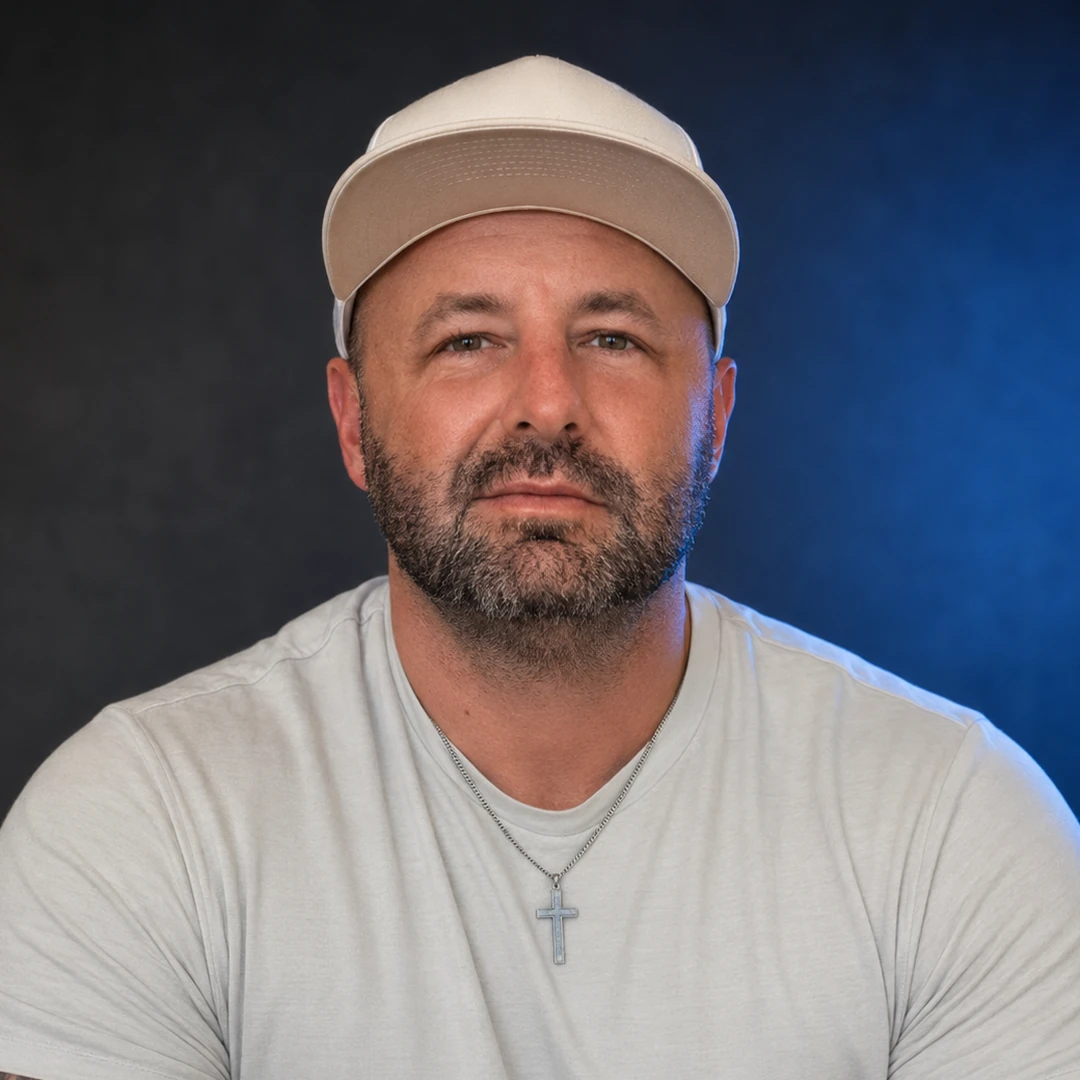
Cory Williams
Managing Broker, Williams Ave. Real Estate founder, and the coach behind Elite Agent Accelerator. 500+ career transactions and over $275 million in career sales.
Meet Cory & explore the coaching approach